
👶 Childcare participation tops 50% in the EU. Austria maintains steady health spending. Developers express low trust in AI.
Chart of the Day #584 looks at formal childcare for toddlers aged 1-2 in the EU, Health expenditure in Austria and AI tools struggle with developer trust.
Hello 👋
ETS, Khan Academy, and TED plan to launch an institute to rethink higher education for the AI age. Johor launches AI classroom initiative. Google introduces Skills in Chrome, turning reusable AI prompts into browser-based workflows.
Today's Topics
👶 Preschool. Children in formal childcare in the EU exceeded 50%
⚕️ Health Skills. Austria’s health spending stayed above 10%
🤖 Artificial Intelligence. Most professional developers view AI task handling negatively
Thanks for reading!
Not a subscriber yet?
👶 Children in formal childcare in the EU exceeded 50%
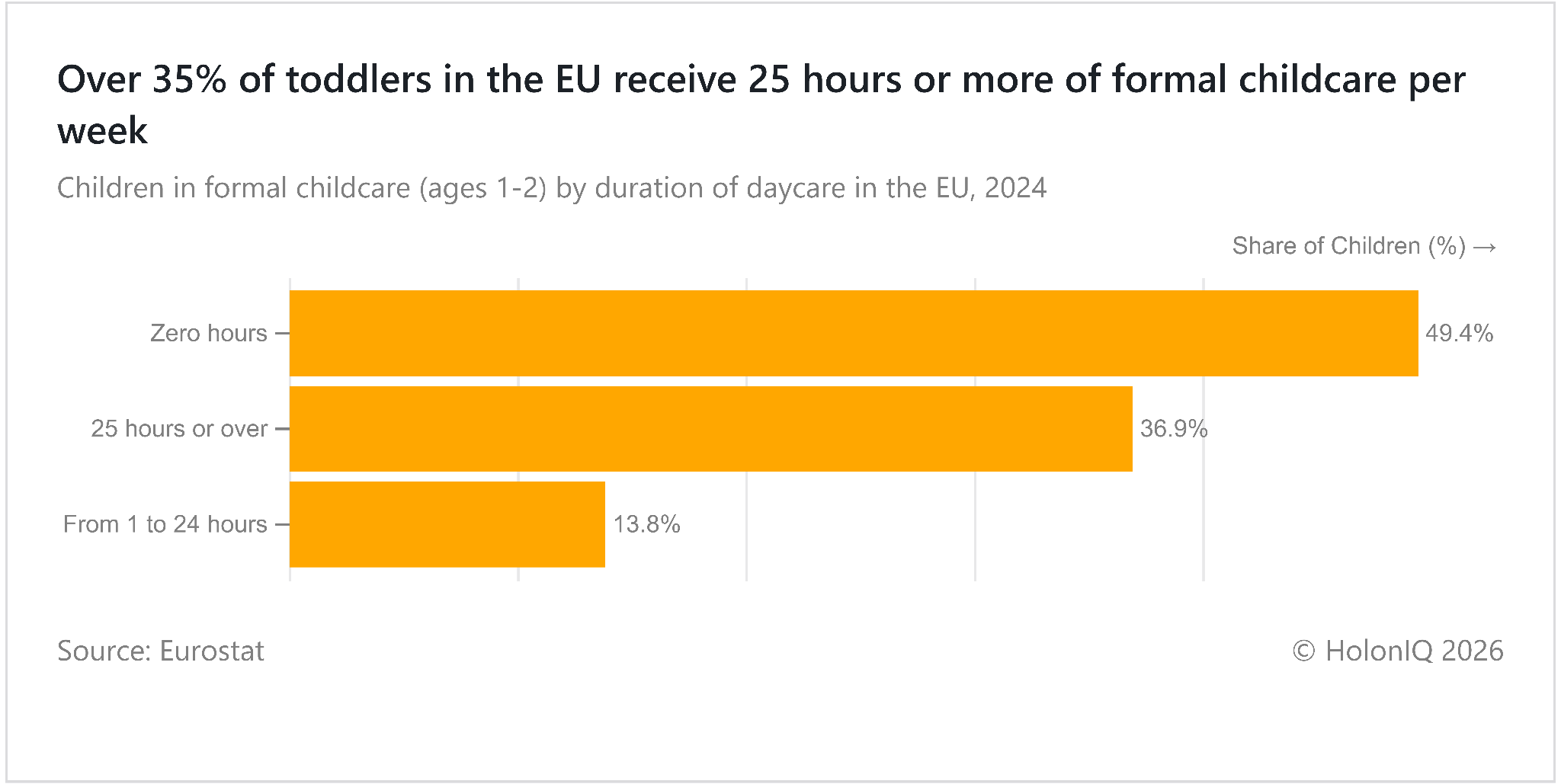
In 2024, over 35% of children aged 1-2 in the EU receive 25 hours or more of formal childcare weekly, while more than 50% participate in formal childcare overall. The data shows a significant share of families rely on extended childcare support. Higher usage reflects dual-income households, parental employment, and strong public childcare systems across many EU countries. Access to longer hours supports early childhood development and workforce participation, particularly for women.
⚕️ Austria’s health spending stayed above 10%
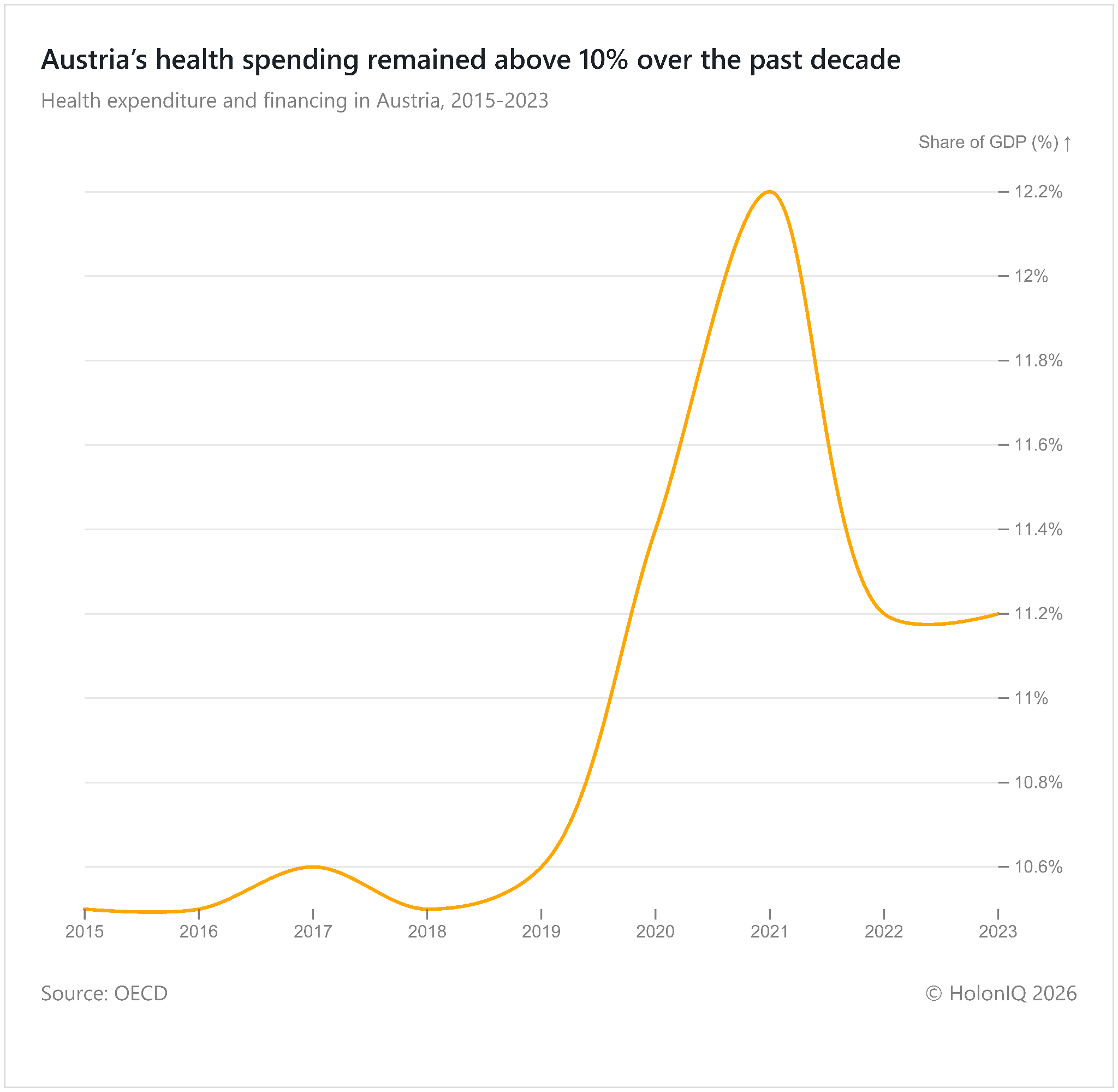
Health expenditure in Austria has remained above 10% over the past decade, showing minimal variation over time. This stability reflects a higher baseline driven by ageing populations requiring more continuous care. At the same time, rising costs of advanced treatments and digital health systems contribute to sustained spending levels. The Health Reform Act implemented by the Austrian Federal Government supports system efficiency and sustainability.
🤖 Most professional developers view AI task handling negatively
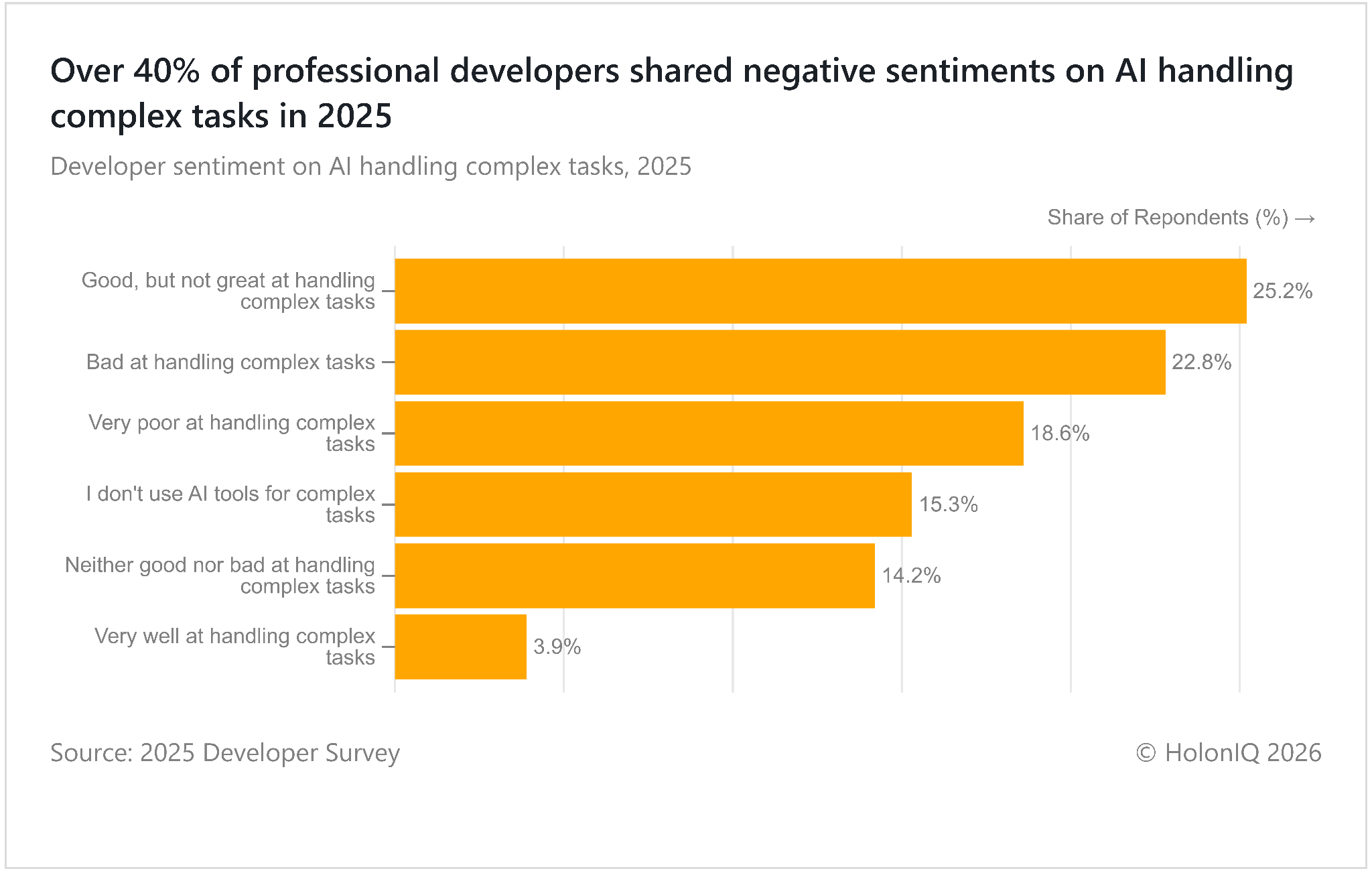
Over 40% of professional developers express negative sentiment toward AI handling complex tasks, with some avoiding its use entirely. This paradox sparks reliability debates as many developers hit the roadblock of "almost right, but not quite" with outputs requiring extensive debugging. Multi-model validation has proven to be useful in increasing accuracy, with examples such as the Perplexity Model Council. Even top models hallucinate 30% with web search on complex benchmarks, meaning augmentation capabilities require constant human-in-loop verification.
Like getting this newsletter? Request a demo for unlimited access to over one million charts
Thank you for reading. Have a great week ahead!
Have some feedback or want to sponsor this newsletter? Let us know at qs.com.